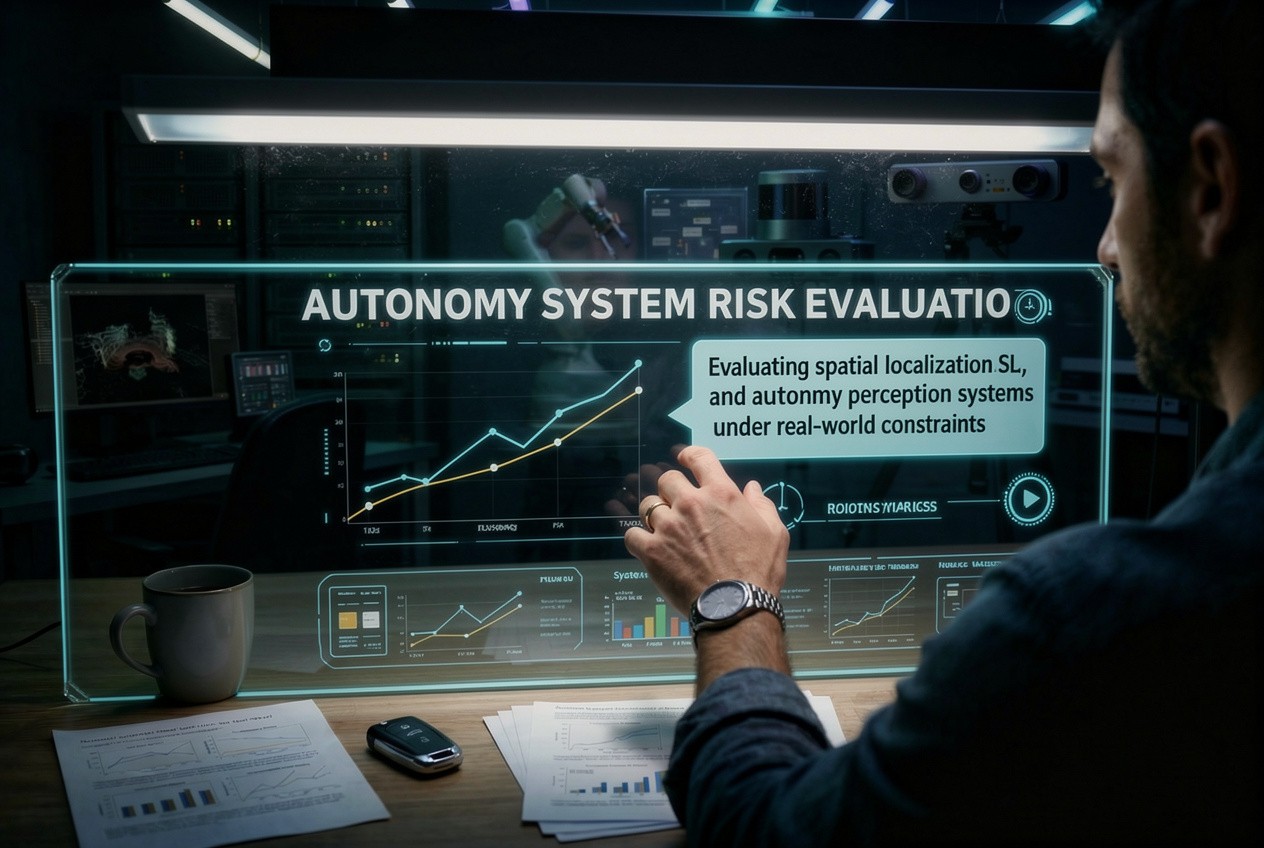
Perception Pipeline Validation Strategy
Perception breaks in the corners: rare scenarios, domain shifts, sensor artifacts, and silent degradations. I help teams design a validation strategy that connects engineering reality with ISO 26262 / SOTIF expectations: clear performance claims, measurable acceptance criteria, scenario-driven coverage, and evidence that stands up in reviews, due diligence, and audits.
Scenario Coverage
Metrics & Evidence
Safety Claims
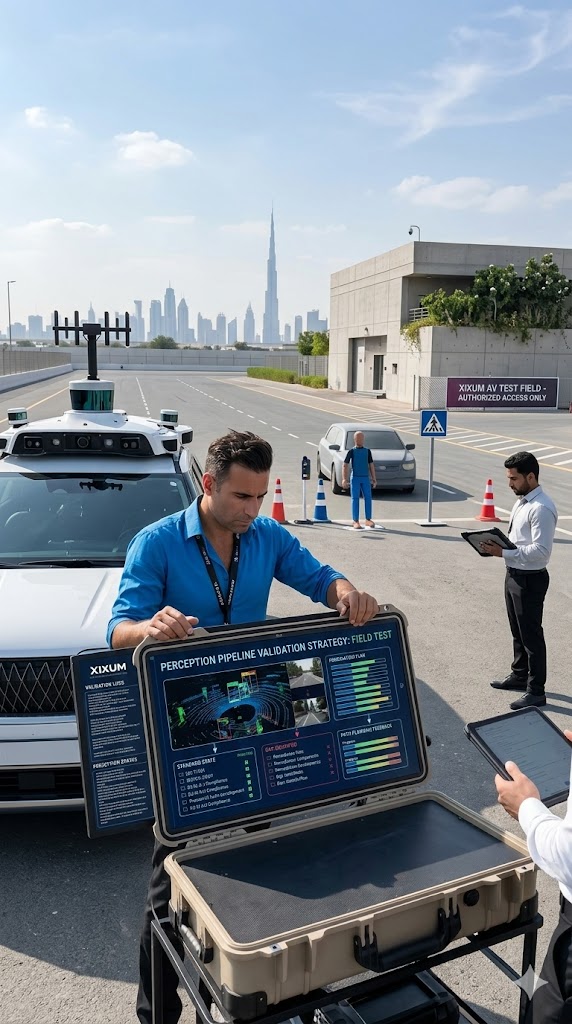

What we do
Make perception performance measurable — and defensible
I translate “it works well” into explicit performance claims: what the perception stack detects, under which ODD assumptions, and where it fails. Then we build a validation plan: datasets, ground-truth strategy, metrics, scenario catalog, and regression gates — aligned with ISO 26262 and SOTIF evidence expectations and practical CI/CD constraints.
Services Offered
A practical validation playbook for perception systems
From KPIs and datasets to scenario catalogs and audit-ready evidence — without slowing teams down.
How we work
From “metrics” to a certification-grade evidence chain
Fast assessment, clear outputs, and a plan engineering can execute.
System intake & ODD framing
Understand sensors, stack boundaries, ODD assumptions, and target claims (what “good” must mean).
Metrics, datasets & scenario model
Define KPIs, scenario taxonomy, and which datasets/ground-truth sources are required for defensible results.
Test plan & pipeline design
Build a validation pipeline with regression gates, drift monitoring, and release criteria tied to requirements.
Evidence packaging & review readiness
Produce an audit/DDL-friendly evidence package: claims, coverage, results, gaps, and prioritized next actions.

Get in Touch
Advisory Engagement
Whether you are:
Preparing for ISO 26262 or SOTIF assessment
Scaling from prototype to production
Evaluating technical risk before investment
Assessing supplier architectures
Or clarifying structural weaknesses in autonomy systems
Early structural evaluation prevents expensive late-stage redesign, certification delays, and hidden operational risk.